NFL Betting Markets UK: Quarter Lines and Exotic Wagering Options
 Available in US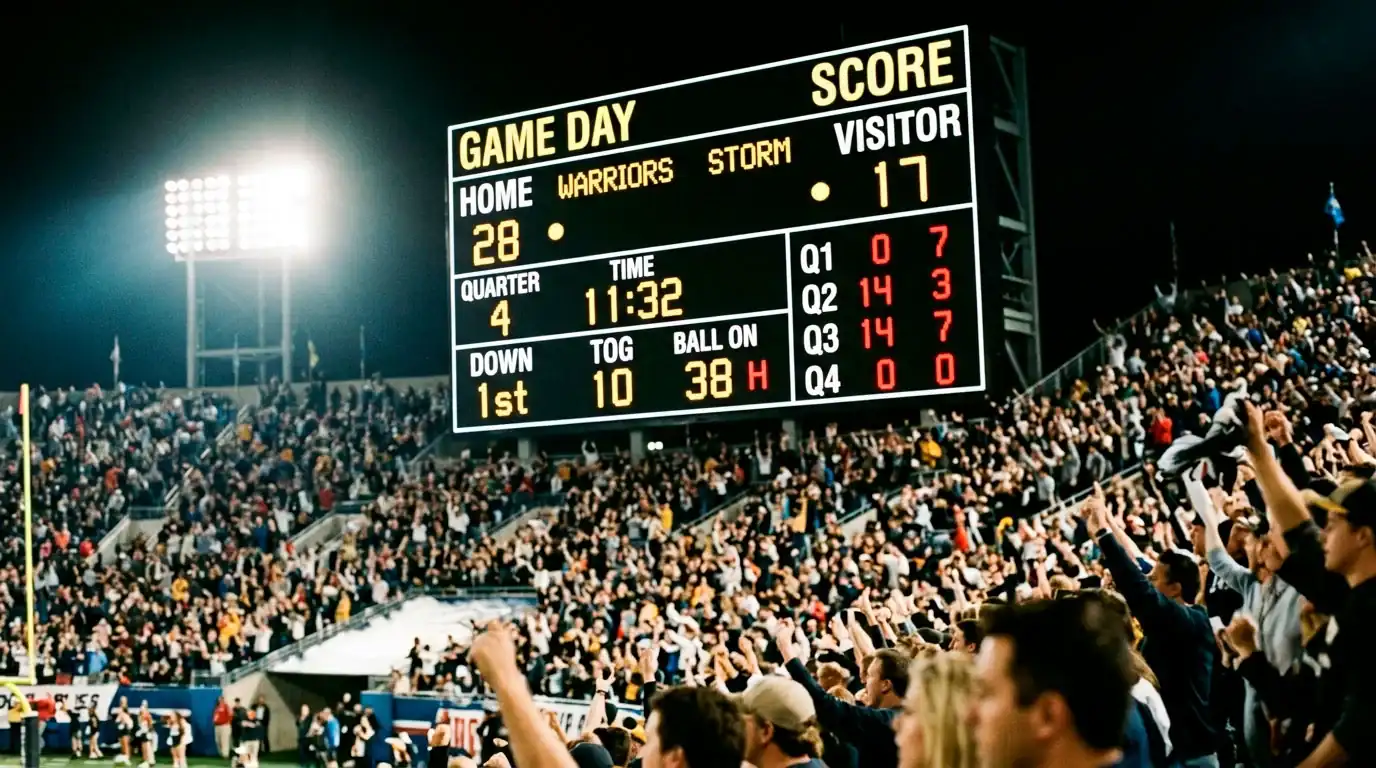
The standard NFL betting markets(spread, totals, moneyline)get most of the attention, and rightly so: they account for the majority of betting volume and offer the deepest liquidity for UK punters. But the full range of markets available on a major NFL game at a well-stocked UK bookmaker is considerably broader. Understanding what sits beyond the core markets, when those alternatives offer genuine analytical value, and when they exist primarily to generate revenue for the bookmaker is what separates a market-aware punter from one who defaults to the same bet type every week.
Core NFL Markets: Spreads, Totals and Moneyline Comparison
The point spread (or handicap) is the most traded NFL market and the one where the most analytical work concentrates from bookmakers and professional bettors alike. Historical data shows roughly 15% of NFL games end within a three-point margin and around 9% at exactly seven points, making the key numbers of 3 and 7 the most consequential spread values in the market. Bookmakers set spreads to attract balanced action on both sides; the most efficient NFL lines are posted early in the week and move based on the weight of professional betting activity before public money arrives on Thursdays and Sundays.
Totals (over/under) markets offer an alternative angle of analysis that some bettors find more tractable than picking sides. The game total doesn’t require a directional view on which team wins, only a view on the pace and scoring environment of the contest. Weather, pace-of-play tendencies (both teams), and injury status of skill players driving the passing game are the primary inputs. Teams with the top 10 offences combined with average defences tend to produce over-friendly games; defensive-heavy matchups in cold or windy outdoor stadiums produce the opposite. Professional bettors focus on 20-30% of games specifically to target the matchups with structural biases in either direction.
The moneyline gives punters a direct match-winner market at odds reflecting true win probability rather than an artificial -110 equilibrium. For significant underdogs at +200 or better, the moneyline can be preferable to the spread in games where the underdog’s realistic path to victory involves a close defensive game rather than a large outright win — scenarios where covering the spread would require the underdog to both win and win by a specific margin.
The bookmaker margin on core markets typically runs at 4-5% per side on standard spread and totals pricing at -110 / 1.91 decimal. On moneyline markets for significant favourites, the margin can be higher because the implied probability gap between favourite and underdog creates more room for the bookmaker to shade the favourite’s price shorter than true probability. Understanding where the bookmaker’s margin sits in any given market is the foundation for knowing where value is hardest and easiest to find.
Quarter-Line and Half-Time Markets
First-half spread and totals markets settle at the half-time whistle rather than full time, which introduces a different analytical framework. Teams that start well — strong opening drives, efficient early-down execution — tend to cover first-half spreads more consistently than teams whose game plans are designed to wear down opponents over four quarters. Identifying teams with offensive coordinators whose first-half scripting is notably efficient is a legitimate edge in half-time markets that becomes less relevant over a full game.
Quarter-line markets — spreads and totals for individual quarters — are the most granular NFL markets available and the most thinly traded. The bookmaker’s margin is typically higher in these markets than in spread or totals, reflecting the lower volume and the greater uncertainty around settling prices. They’re available at most major UK sportsbooks on marquee games and are occasionally useful for in-play betting strategies where a specific momentum indicator, a forced turnover, a defensive stop after an opening drive stall — suggests a directional quarter outcome more clearly than the full-game market reflects.
First-quarter betting requires a different preparation approach than full-game handicapping. Opening drives are scripted and practiced specifically, and certain teams have consistent first-quarter scoring tendencies that reflect their weekly preparation more accurately than their season-long averages. Defensive schemes designed to disguise early-game looks before settling into a base formation create first-quarter volatility that full-game analytical models don’t always capture. For punters who do their research at game-specific rather than trend-level, quarter markets provide a vehicle for that granular preparation.
Exotic Markets: What UK Bookmakers Offer Beyond the Basics
Beyond the standard and game-segment markets, UK bookmakers offer a range of exotic markets on major NFL games — particularly for playoffs and the Super Bowl. These include: first team to score (field goal versus touchdown), margin of victory exact bands (win by 1-6, 7-12, 13+), both teams to score over a set yardage threshold, first scoring play type (touchdown, safety, field goal), and in some cases specialist player performance combinations.
The analytical value of these exotic markets varies considerably. Margin of victory bands require essentially the same analysis as spread betting but express it in a more granular format that introduces additional variance without offering proportionally enhanced returns. First scorer markets are nearly impossible to model with meaningful precision, the sequence of scoring in an NFL game is too stochastic for first-score prediction to be anything other than an entertainment product. These markets should be treated accordingly: interesting, occasionally enjoyable, but not where serious analytical energy is directed.
Player performance exotic markets — exact passing touchdown combinations, first player to rush for over 50 yards, specific receiving yardage milestones — occupy a middle ground. They require genuine player-level research and are more tractable than game-sequence exotics. A specific knowledge advantage about a player’s usage patterns in a particular defensive matchup can translate into genuine edge on these markets because the bookmaker is pricing thousands of options and cannot dedicate deep analytical resources to every player-defence combination on every game week.
The markets where genuine analysis can produce edge are those where volume is high enough for bookmakers to price efficiently but information asymmetry still exists — injury-driven line adjustments, weather impacts on outdoor games in the 24 hours before kick-off, and situational factors that affect one side of a spread more than the other. All of those apply most powerfully in the core markets: spread and totals. For a full breakdown of how each individual bet type works in practice, the guide covering all NFL bet types for UK punters explains each market from mechanics to strategy.
What are quarter-line and half-time NFL betting markets?
Half-time markets settle on the score at the end of the second quarter, not the final score. Quarter-line markets settle on the score at the end of a specific individual quarter. Both are available on major NFL games at UK bookmakers. Half-time spread and totals offer a legitimate analytical angle for bettors who focus on first-half team tendencies and scripted opening drives. Quarter-line markets are more thinly traded with higher bookmaker margins, making them more suitable for in-play use when specific momentum signals are clear.
How many markets do UK bookmakers typically offer per NFL game?
Market depth varies by game importance. Regular-season games at major UK bookmakers typically offer 30-200 markets depending on the fixture’s profile. Playoff games and the Super Bowl attract the deepest coverage, with some operators offering 300 or more markets on Super Bowl Sunday. The core markets (spread, totals, moneyline) are universally available. Quarter lines, player props, same-game multi options, and exotic markets depend on the operator and the significance of the specific fixture.
Prepared by the Bets for nfl editorial staff.