NFL Handicap Betting UK: Point Spreads and ATS Analysis
 Available in US
The first time I placed an NFL handicap bet, I stared at the slip for a good two minutes wondering if I’d misread it. My team had “won” the game by ten points, yet my bet had lost. That moment taught me more about the point spread than any guide I’d read before. If you’re coming to NFL betting from football, cricket, or rugby, the spread mechanic is genuinely unlike anything else in UK markets, and once it clicks, it opens up the most interesting betting landscape in American sports.
Point Spread Mechanics: Calculating Margins in NFL Betting
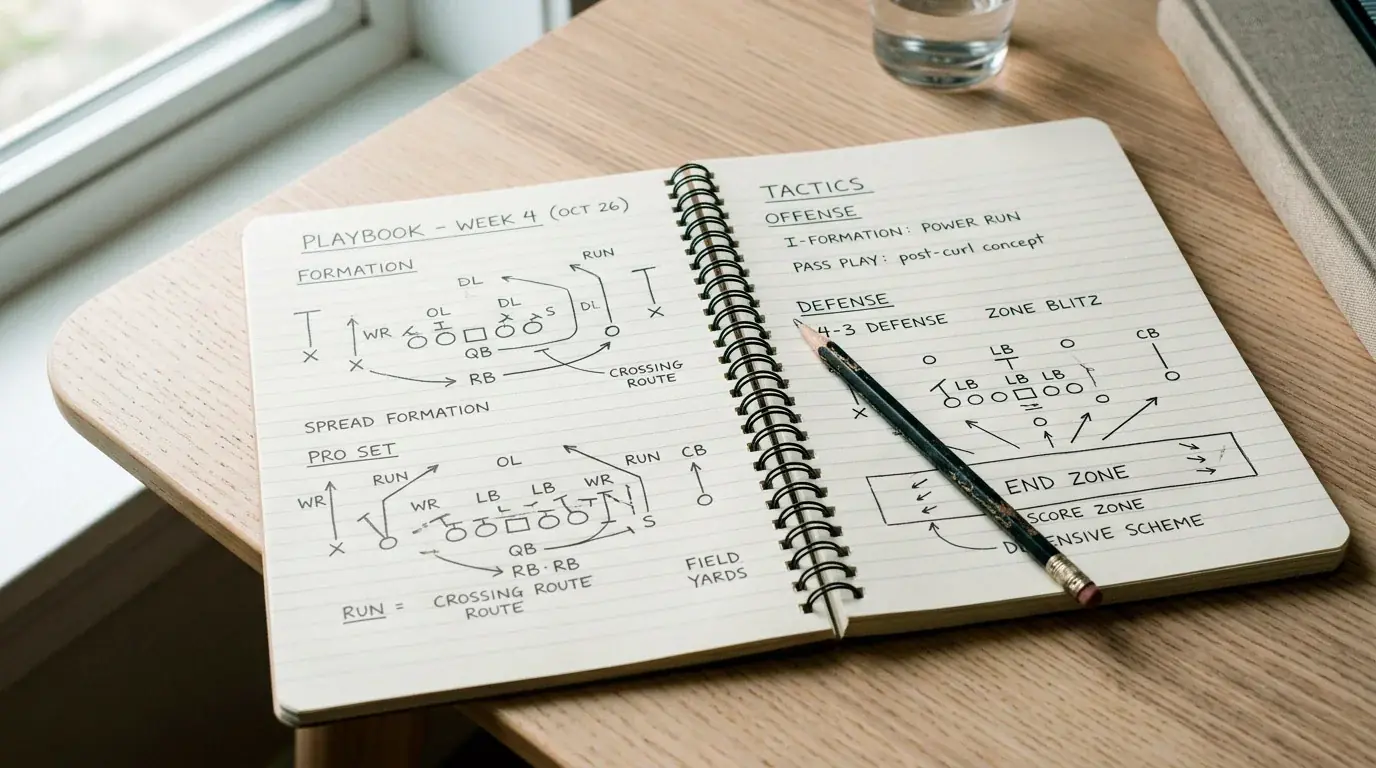
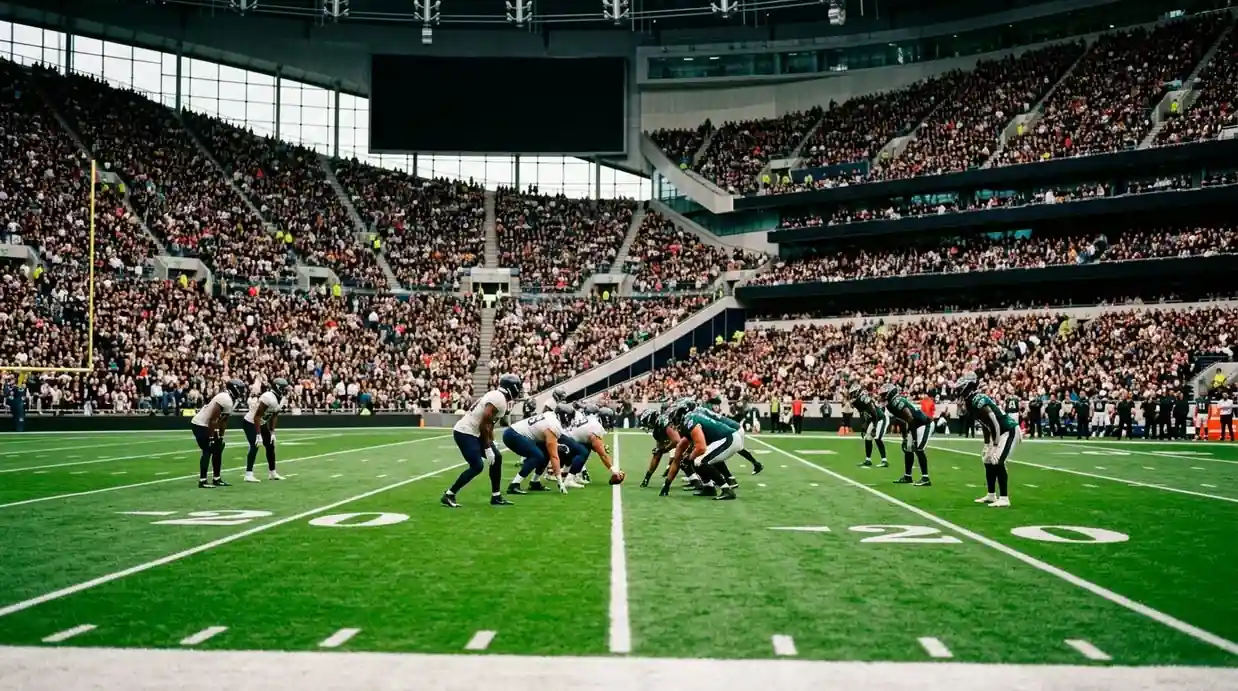
Strip away the jargon and the NFL point spread does one thing: it manufactures a contest of equals. If one team is significantly stronger than the other, a straight match winner bet is dead money on the favourite — the odds reflect a near-certainty. The spread solves this by handicapping the better team, forcing bettors to judge not just who wins but by how much.
Here’s how it looks in practice. Say Team A is listed at -6.5 against Team B. For your Team A bet to win, they don’t just need to win the game, they need to win by seven points or more. If they win 24-20, you’ve lost. If Team B loses by fewer than seven, the Team B side of the spread wins. The half-point (the “hook”) is intentional: it eliminates the possibility of a push, where your stake is simply returned.
UK bookmakers typically present this as “handicap” rather than “spread,” which is familiar territory if you’ve bet on football. The difference is that NFL spreads tend to be larger, more precisely calibrated, and set against a backdrop of historical data that professional handicappers spend entire careers analysing. When you see a spread of -3 or -7, those aren’t arbitrary — they’re the most common winning margins in NFL history, per data compiled across thousands of games, which is exactly why bookmakers build their lines around them.
Key Numbers and Why 3 and 7 Rule Everything
I cannot overstate how much the numbers 3 and 7 matter in NFL handicap betting. A field goal is worth three points. A touchdown plus extra point is worth seven. Because scoring comes in these fixed increments, games cluster around these margins more than any other. Historical analysis covering decades of NFL results shows roughly 15% of games end with a margin of exactly three points, and around 9% end at seven — making them by far the most common winning differences.
This creates what handicappers call “key number” dynamics. When a spread is set at -3, both bookmakers and sophisticated bettors treat it differently to a spread of -3.5. Crossing from -2.5 to -3 shifts the market significantly because of how often games land on that exact margin. If you’re shopping lines across bookmakers and one offers -2.5 while another shows -3, that half-point is worth far more than it appears.
The same logic applies to totals, parlays, and live betting, any time the final margin clusters around these numbers, you’re dealing with a situation where half a point is the difference between winning and losing a substantial percentage of bets. Experienced UK punters who move over from football betting sometimes underestimate this, assuming it’s a minor detail. It isn’t. Building an understanding of key numbers around 3, 7, 10, and 14 is the foundation of spread betting competence.
ATS Strategy: Betting Against the Spread Long-Term
Let me be direct about something the marketing copy on betting sites tends to obscure: covering the spread is harder than picking winners. Bookmakers set lines to split public opinion, not to reflect the true probability of a specific margin. That means the spread is already adjusted for the bias of casual bettors who back popular teams regardless of the number. Understanding this is the starting point for any genuine ATS (against the spread) strategy.
Professionals in NFL handicapping typically operate with win rates between 53% and 56% over meaningful sample sizes — that modest-sounding edge is enough for long-term profit given the standard -110 pricing (meaning you stake 11 to win 10). Below 52.4%, you’re losing to the vig over time. The implication for UK punters is clear: selectivity beats volume. Betting every game is a path to steady losses. The value is in identifying specific situations — road favourites in divisional games, teams playing their second game in a short week, teams with specific ATS tendencies in certain stadium conditions.
One practical approach I’ve used with discipline is tracking ATS records in situational spots. Teams coming off a bye week tend to cover more often than teams playing on short rest. Home underdogs in rivalry games cover at a higher rate than home underdogs generally. These aren’t magic systems — they’re edges at the margin that, combined with sound line shopping and bankroll management, tilt the long-term odds in your favour. The difference between a disciplined handicapper and a recreational punter isn’t intelligence; it’s the willingness to understand all the market types available and bet only when genuine value exists.
How NFL Spreads Differ from Standard UK Handicap Markets
If you’ve bet Asian handicap on football, you’re closer than most to understanding the NFL spread — but there are still meaningful differences worth knowing. First, NFL spreads use whole or half numbers exclusively. You won’t see fractional handicaps like -0.75 in the way Asian handicap markets use quarter-ball lines. Second, NFL spreads don’t split your stake across two outcomes; the bet either wins or loses (or, in the rare event of a whole-number spread, pushes).
The pricing structure is also different. UK football handicap markets often sit at around evens (2.0 decimal) on each side. NFL spreads are typically priced at -110 on both sides in American odds, which translates to roughly 10/11 in fractional or 1.91 in decimal. That juice (the bookmaker’s margin) is how the sportsbook profits regardless of outcome — and it’s why even a small edge in picking sides has compounding value over hundreds of bets.
Finally, the range of spreads is wider in the NFL than in most UK sports. Spreads of 14 points or more are common when a strong team faces a struggling one. In those situations, the public tends to overbet the favourite, often pushing the line further than the true implied margin justifies — creating potential value on the underdog side for punters paying attention.
What are the key numbers to know in NFL handicap betting?
The most important key numbers are 3 and 7, reflecting the most common scoring increments (field goal and touchdown plus extra point). Roughly 15% of NFL games end with a three-point margin and around 9% end at seven, per historical results data. Half a point either side of these numbers can make the difference between winning and losing a spread bet.
How does NFL spread betting differ from standard UK handicap markets?
NFL spreads use whole or half numbers only, price both sides at around -110 (10/11 fractional), and can range from as little as 1 to as much as 17 or more points. Unlike Asian handicap markets in football, there are no quarter-ball lines, and the bet either wins, loses, or pushes on whole numbers. The key difference for UK punters is the wider range of spreads and the critical importance of key numbers.
Written by the editors at Bets for nfl.