NFL Betting Strategy UK: Bankroll and Market Selection Rules
 Available in US
Every experienced NFL punter I know started with the same mistake: betting on every game, every week, because they watched every game, every week. The NFL schedule produces sixteen to eighteen games each Sunday in the regular season, and the temptation to have action on all of them is overwhelming when you’re new to the sport. Nine years into this, I can tell you that the single most important strategic shift I made was learning which games not to bet. If there’s one principle that separates recreational punters from those who actually make money long-term, it’s disciplined market selection over volume.
Bankroll Management Rules: The Baseline for NFL Wagering
Before you place your first NFL bet, decide on a total betting bankroll — the amount you’re prepared to treat as your wagering fund, completely separate from savings or money you need for anything else. This isn’t a moral lecture; it’s a practical prerequisite for every strategy in this guide to function correctly. Without a defined bankroll, staking decisions become emotional rather than systematic, and emotional staking destroys profitability faster than poor game selection.
The standard unit size in professional sports betting is 1-2% of your total bankroll per bet. If your bankroll is £500, a single unit is £5-£10. This seems modest, and intentionally so — the goal at this stake level is to build a record over a meaningful sample size (at least 100 bets) while the variance of NFL outcomes averages out. Betting 10% of your bankroll on a single game because you’re “confident” is a guaranteed route to bust, even with a genuine edge, because even good bets lose frequently in the short term.
The most useful constraint I apply to my own NFL betting is a weekly unit cap. Regardless of how many games are on, I don’t exceed eight units in a single week. This prevents the natural tendency to chase losses later in the week by upsizing bets, and it limits the damage from a bad run of variance during weeks where the lines are generally tight and few genuine edges exist. Per historical analysis of professional handicappers, a win rate of 53-56% across spread bets is considered elite performance — meaning even the best punters lose around 44-47% of their bets. Your bankroll structure needs to survive extended losing runs, not just maximise a hot streak.
Market Selection: Which Bets to Focus On
The NFL offers hundreds of betting markets per week — spreads, totals, moneylines, player props, first-half lines, team props, futures, and more. For a beginner, this abundance is a trap. Trying to have informed opinions across all of them simultaneously is impossible, and spreading your research too thin produces superficial analysis that bookmakers’ models will consistently beat.
My recommendation for anyone starting out: pick one or two market types and develop genuine fluency in those before expanding. Point spreads (handicap) and game totals (over/under) are the best starting points because they’re binary outcomes with the largest liquidity, the most historical data to analyse, and the most consistent pricing across bookmakers. Once you’ve built a track record on those markets, and I mean a real one, not a selective memory of wins — the skills transfer reasonably well to related markets.
Within those markets, selectivity by game is equally important. The most analytically tractable games are those involving teams with consistent, predictable schemes and stable rosters, playing in familiar home or away scenarios, without significant injury uncertainty. Games involving teams in transition (new coordinator, major injuries, bad weather forecasts) have higher variance and wider ranges of possible outcomes, exactly the conditions where bookmaker lines are also most volatile and where your analytical edge is hardest to maintain. Starting with cleaner analytical situations builds your confidence and your record before you tackle the genuinely difficult spots.
Common Mistakes That Cost UK NFL Punters Money
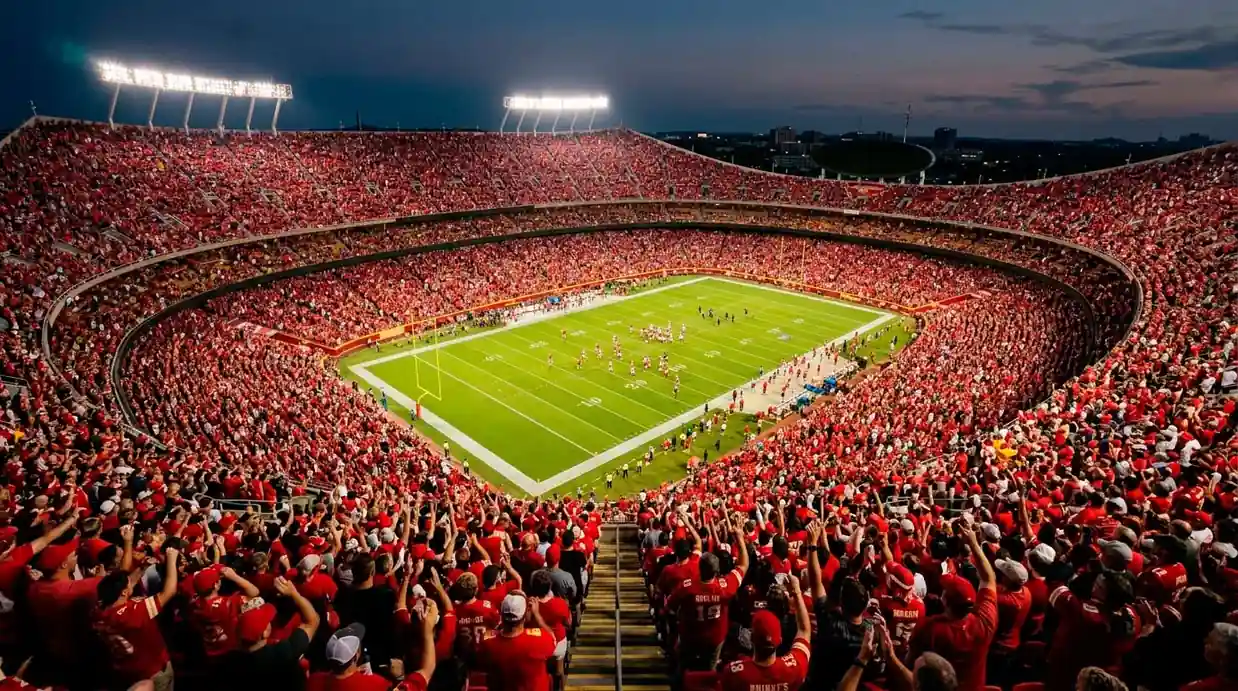
Familiarity bias is the single most expensive mistake I see new UK punters make. The Kansas City Chiefs and a handful of other teams with large UK followings attract significant public betting action, which pushes their spreads and totals beyond what the true underlying probability justifies. Backing these teams feels comfortable because you’ve seen the highlights and know the names. That comfort is exactly what makes it bad value.
Second: ignoring the vig. At standard -110 pricing for spreads, you need to win 52.4% of your bets just to break even. That’s not a difficult bar to clear if you’re selective and analytical, but many beginners don’t realise it exists and assume any winning record generates profit. Tracking your results properly, including all bets (not just the winners you remember), is non-negotiable if you want to know whether your approach is actually working.
Third: betting games you haven’t researched simply because they’re on TV. Late Sunday night and Monday night games attract huge betting volume from punters who’ve been watching NFL all day, many of whom back their gut feeling on the primetime matchup without any meaningful analysis. Bookmakers know this and set primetime lines accordingly. If you don’t have a specific view backed by data, no bet is also a valid position. For a deeper look at one specific market where beginners often find their feet fastest, the explanation of NFL handicap betting and point spread mechanics is a good next step.
A fourth mistake worth naming directly: ignoring schedule and rest advantages. The NFL season produces regular situations where one team is playing on short rest (three or four days for a Thursday game after the previous Sunday) while their opponent had a full week or a bye. These schedule disparities are tracked and analysed obsessively by professional handicappers and are factored into lines — but not always perfectly, especially when the short-rest team is a high-profile name that attracts public betting regardless. The combination of schedule disadvantage and public money favouritism creates one of the most consistent value patterns in NFL spread betting throughout the regular season.
Finally: bankroll contamination. This happens when punters top up their betting account from regular savings after a bad run, rather than accepting the loss as the natural variance of a properly sized betting fund. It turns a defined-risk activity into an open-ended financial exposure and removes the psychological pressure that good bankroll discipline provides. Your NFL betting bankroll should be a finite, ring-fenced amount that you’re genuinely prepared to lose entirely — not because losing is the plan, but because approaching it that way forces better decisions on every individual bet.
How much of my bankroll should I stake on each NFL bet?
The standard recommendation for sustainable sports betting is 1-2% of your total bankroll per bet. This approach — known as flat staking — ensures your betting fund survives the inevitable losing runs that occur even for skilled punters. At 1% stakes, your bankroll would survive a run of 50 consecutive losses before depleting, which is extremely unlikely but illustrates the protection this approach provides.
Which NFL markets are least volatile for beginner punters?
Point spreads and game totals (over/under) on games involving teams with stable rosters and consistent schemes offer the most predictable analytical environment for beginners. These markets have the highest liquidity, the most historical data, and the most competition among bookmakers for pricing, which means lines tend to be accurate rather than wildly mispriced. Volatile markets like first-half lines and player props require more specialist knowledge to navigate profitably.
Written by the editors at Bets for nfl.